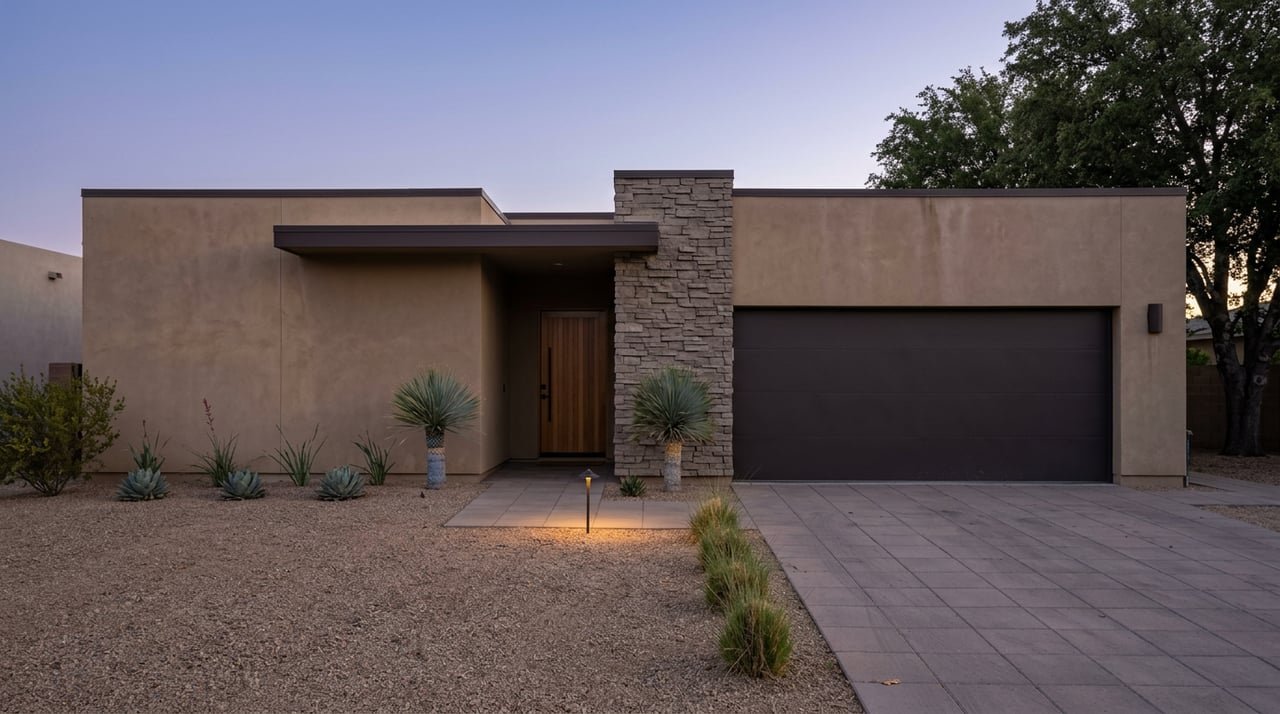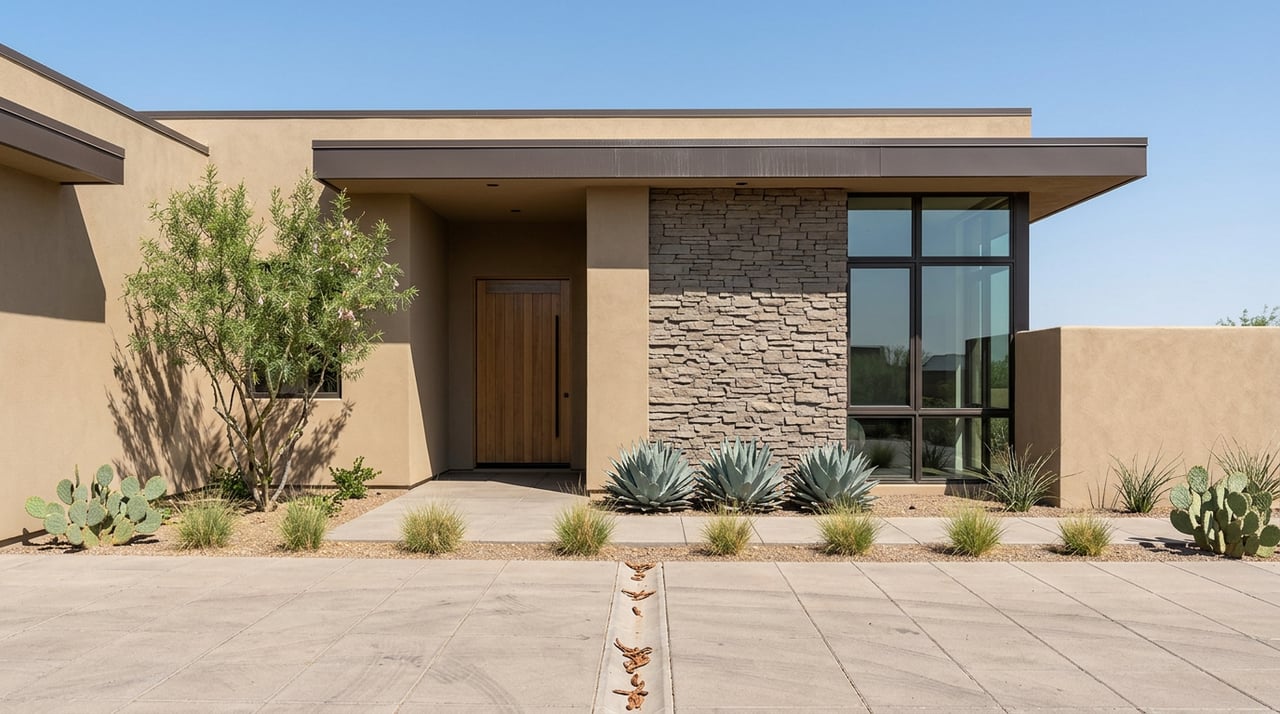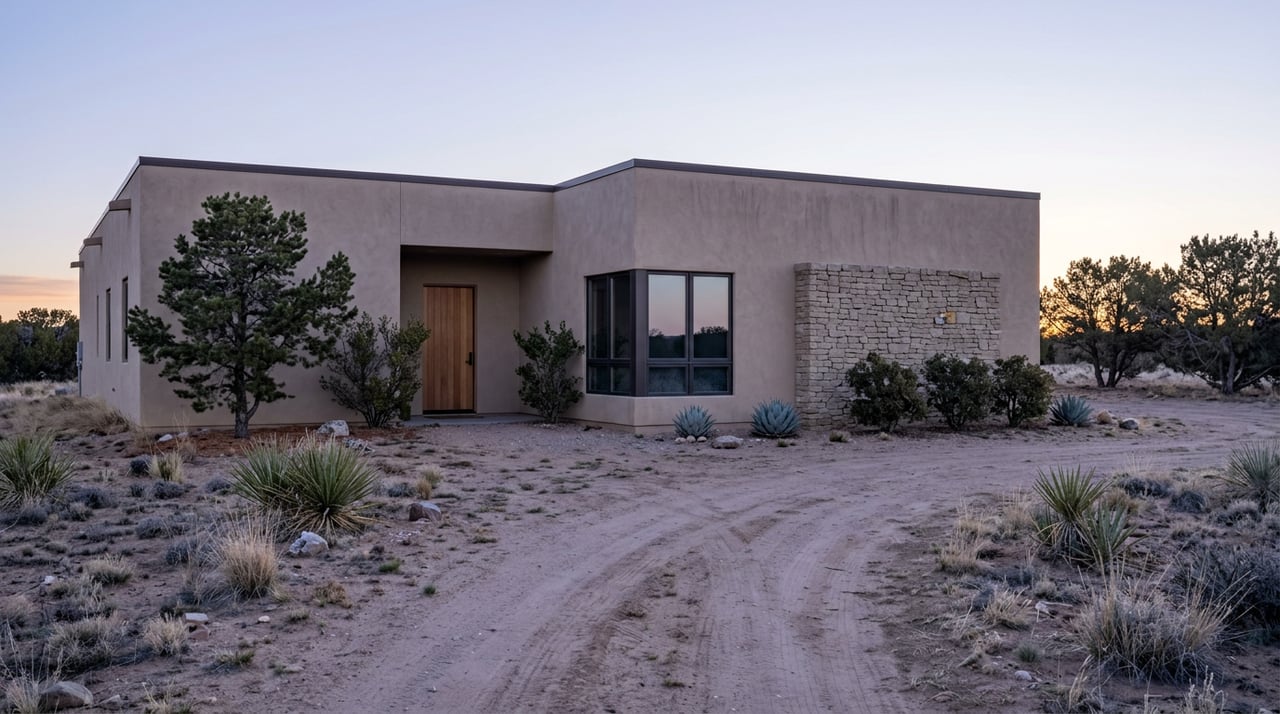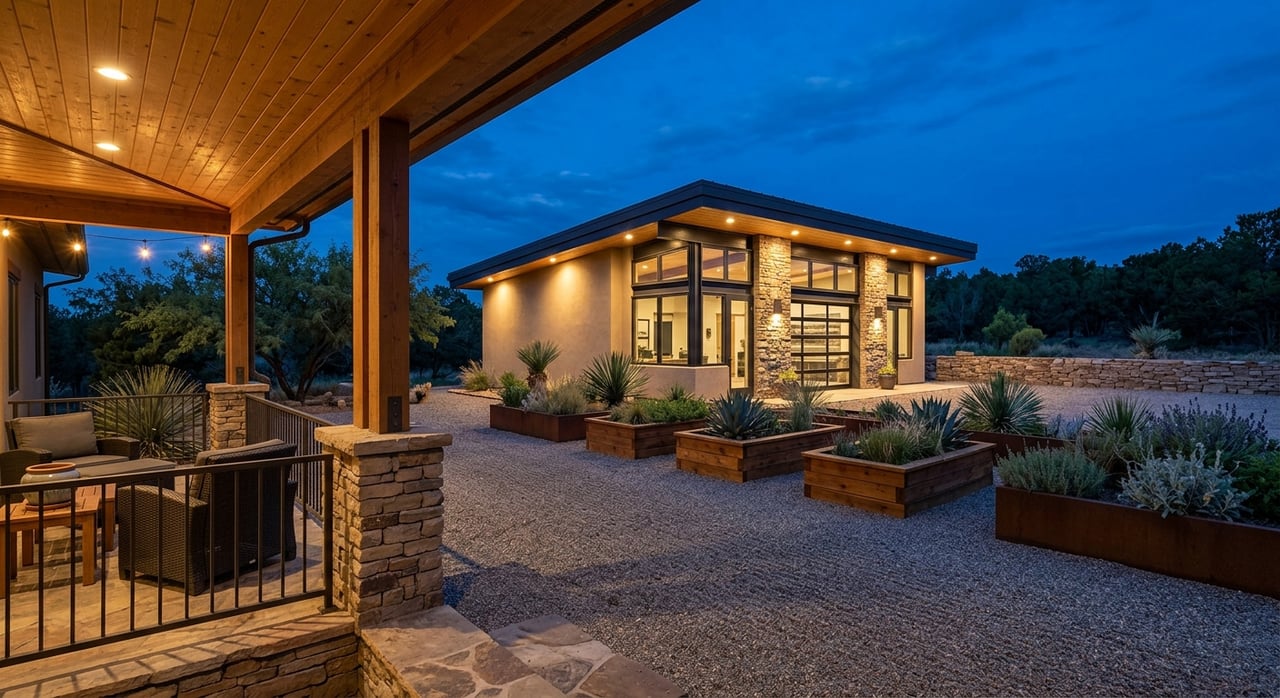
If you have ever dreamed about owning more land, Corrales is one of those places that makes the idea feel real. Here, acreage is not just about extra elbow room. It is tied to wells, irrigation, animals, seasonal work, and a rural setting that many people actively want to protect. If you are thinking about buying an acreage property in Corrales, this guide will help you understand the lifestyle, the responsibilities, and the key details to check before you buy. Let’s dive in.
Why Corrales Acreage Stands Out
Corrales is a village of 8,493 residents spread across 10.79 square miles, tucked between the western bank of the Rio Grande and Rio Rancho, just north of Albuquerque. The village describes itself as a traditional agricultural community, and that identity still shapes daily life today.
That matters when you look at acreage here. In Corrales, larger parcels are often part of a living agricultural landscape, not just scenic land around a house. The village’s history and planning documents point to orchards, pastures, chile fields, livestock, and long-standing irrigation patterns as part of what gives the area its character.
For you as a buyer, that means acreage ownership in Corrales comes with a strong sense of place. You are not just buying land. You are stepping into a community that continues to value rural character even as suburban growth surrounds it.
What Acreage Living Really Means
Acreage in Corrales can support a lifestyle that feels very different from a typical subdivision experience. The village’s 2024 Comprehensive Plan recommends support for right-to-farm, livestock, equestrian activities, and farmland preservation, which helps explain why the area still feels active and grounded in land use.
You may be drawn to room for horses, gardens, small-scale agriculture, or simply more privacy and open sky. Those are real benefits. But in Corrales, land usually asks something of you in return, whether that is irrigation planning, animal containment, fire preparation, or regular outdoor upkeep.
The village calendar also reflects that rhythm. Corrales’ history page highlights the annual fiesta de San Ysidro in May, a reminder that heritage, agriculture, and seasonal gatherings remain part of the local culture.
Corrales Weather and Seasonal Rhythms
Owning acreage in Corrales means paying attention to the seasons. NOAA climate normals for Corrales show an annual mean temperature of 55.0°F, with an average July high and low of 91.7°F and 61.1°F, and an average December high and low of 48.1°F and 21.0°F.
The area is also dry. Average annual precipitation is 9.56 inches, with 7.7 inches of snowfall annually. Rain is not spread evenly through the year, either. The wettest period is typically during the summer monsoon months, especially July and August.
For you, that can affect how you manage the land. Hot, dry stretches can increase irrigation needs and outdoor maintenance, while short bursts of summer moisture can bring weed growth, muddy areas, and small erosion concerns. In winter, snow and snowmelt can also affect access and footing.
Irrigation Is Part of the Lifestyle
Water planning is one of the biggest adjustments for many acreage buyers in Corrales. The village’s agriculture page explains that irrigation season start dates vary based on water availability, soil moisture, Pueblo and irrigator needs, and the Rio Grande Compact.
Just as important, ditches can go dry when river levels are low. That means irrigation is not something you assume will always work the same way every year. If you are buying land with agricultural potential, understanding how water is accessed and used should be part of your early due diligence.
This is one reason Corrales feels like a real working landscape. Water access has shaped the village since the early 18th century acequia system, and that legacy still affects how land functions today.
Wells, Septic, and STEP Service
One of the most important practical facts about Corrales is that there is no municipal water system. Homes and businesses generally rely on domestic or commercial wells.
Most of the village also does not have a sewer system. According to the village, only a small area along Corrales Road has access to the STEP system, which sends septic effluent to the Albuquerque-Bernalillo County Water Utility Authority system for treatment.
In plain terms, if you are buying acreage in Corrales, you should expect well and septic realities unless the specific property has STEP access. That affects inspections, ongoing maintenance, and how you think about future property use.
Why Water Rights Need a Close Look
In Corrales, water rights are not a small detail. The village specifically tells buyers to consult the Office of the State Engineer or a private water-rights professional before drilling a well or assuming a right will transfer with a property.
New Mexico follows prior appropriation, which means older water rights can have priority over newer ones. For you, this means a property’s water story should be confirmed carefully rather than assumed from a listing description or verbal conversation.
This is especially important if you are buying with plans for pasture, gardens, small-scale farming, or other land-intensive uses. A beautiful parcel can still come with limits that affect how you use it.
Septic and Well Placement Matters
Layout matters on acreage, especially if you are thinking ahead about improvements. The New Mexico Environment Department says septic tanks should generally be at least 50 feet from wells, and drainfields or leachfields should generally be at least 100 feet from wells.
Corrales’ water guidance gives similar spacing considerations for wells, septic tanks, sewer lines, and drainfields. That may affect where additions, guest spaces, or future site features can realistically go.
This is one more reason acreage due diligence often needs a little more patience. The usable space on a parcel may not always match what looks open on first glance.
Animals Are Common, but Rules Still Apply
Many buyers looking at Corrales acreage ask the same question first: can you have animals here? The short answer is that animal ownership is part of village culture, and planning documents strongly support livestock and equestrian uses.
Still, support for that lifestyle does not mean every parcel works the same way. Buyers should verify zoning, containment needs, and any conservation-easement terms before assuming horses, goats, chickens, or other animals will fit their plans.
Corrales Animal Services also notes that the village is an animal-friendly, no-kill community. At the same time, animals outside the owner’s premises must be under immediate control and on a secure leash no more than eight feet long.
Fire Prep Is Part of Ownership
Acreage ownership often brings a stronger connection to the outdoors, but it also means more responsibility for safety. The Corrales fire department says burn days can be shortened or canceled based on weather, and agricultural burning requires a special permit.
The village also advises residents to maintain defensible space and keep emergency plans for both family and animals. If you are used to a smaller lot, this can be a major mindset shift.
On larger parcels, land stewardship is part of everyday ownership. Fire readiness is one of the clearest examples of that.
Conservation Easements Can Affect Use
Not every large parcel in Corrales is fully open-ended. The village says ten parcels totaling more than 68 acres are protected under conservation easements, and those easements stay with the property even when ownership changes.
Some of those parcels may also involve trail or wildlife-viewing access. For you as a buyer, that means it is smart to confirm whether any easement restrictions could affect additions, fencing changes, or future development plans.
This is not necessarily a drawback. In some cases, it can help preserve the rural setting people value most. But it does need to be understood clearly before you commit.
Outdoor Life Is a Big Part of Corrales
One of the rewards of living on acreage in Corrales is how connected daily life can feel to the outdoors. The village maintains the Corrales Bosque Preserve, and it is used by walkers, hikers, horseback riders, and bicyclists.
The village also notes that rain and snowmelt can leave trails muddy, slippery, or even impassable in places. That is another example of how seasons affect day-to-day life here.
Corrales also supports an outdoor and horse-friendly lifestyle through local parks, open spaces, the recreation center, and Top Form Arena. If outdoor use is part of why you want acreage, Corrales offers that in a way that feels woven into the community.
Local Food and Agricultural Culture
Acreage ownership in Corrales often appeals to people who want a closer relationship with land and local food. The village’s agriculture page points to farm stands, local produce, grapes, chile, beer, and roasted coffee as part of daily village flavor.
The Corrales Growers’ Market adds to that seasonal rhythm. It supports local agricultural economics and reinforces that food production is still part of everyday life here, not just a nostalgic idea.
That can make the acreage lifestyle feel more grounded and connected. Even if you are not planning to farm, you may still appreciate living in a place where the agricultural setting remains visible and active.
What to Check Before You Buy
Acreage properties usually need more careful review than a typical suburban home. In Corrales, a smart buyer should look closely at both the home and the land.
Here are some of the most important items to confirm:
- Well type and condition
- Septic system or STEP access
- Water rights status and transfer details
- Zoning and allowed land uses
- Animal-related rules and containment needs
- Irrigation access and seasonal water realities
- Any conservation easements on the parcel
- Fire-clearance responsibilities and burn restrictions
- Site layout constraints related to wells and septic
A good purchase decision comes from understanding how the property functions year-round, not just how it looks on showing day.
Why Local Guidance Matters
Buying acreage in Corrales is often less about finding a pretty lot and more about matching your goals to the right property. Two homes with similar acreage can have very different practical realities depending on water, layout, easements, and land-use limitations.
That is where local experience matters. With lifestyle properties, the details behind the listing can shape your long-term satisfaction just as much as the home itself.
If you are exploring acreage in Corrales and want clear, practical guidance, Desiree Barton can help you sort through the details and find a property that fits the way you actually want to live.
FAQs
What makes acreage living in Corrales different from other rural areas?
- Corrales stands out because its rural character is closely tied to a long agricultural history, active irrigation patterns, support for right-to-farm and equestrian uses, and a community identity that still values working land.
Will most acreage properties in Corrales need a well and septic system?
- Yes. Corrales has no municipal water system, and most of the village does not have sewer service, so many properties rely on wells plus septic or, in a limited area along Corrales Road, STEP service.
Can you keep horses or other animals on acreage property in Corrales?
- Corrales planning documents support livestock and equestrian uses, but you should still verify the parcel’s zoning, containment requirements, and any conservation-easement terms before you buy.
Why are water rights important when buying acreage in Corrales?
- Water rights matter because New Mexico follows prior appropriation, and the village advises buyers to confirm rights and transfer details with the Office of the State Engineer or a qualified water-rights professional before making assumptions.
Are there restrictions on how acreage land can be used in Corrales?
- Yes. Land use can be shaped by zoning, one-dwelling-per-acre water protection goals, well and septic spacing requirements, and conservation easements that remain with the property after a sale.
What kind of maintenance should you expect with a Corrales acreage property?
- You should expect ongoing land-related work such as irrigation coordination, animal containment, fire-clearance tasks, and outdoor upkeep that can change with hot weather, monsoon moisture, winter snow, and trail or ground conditions.