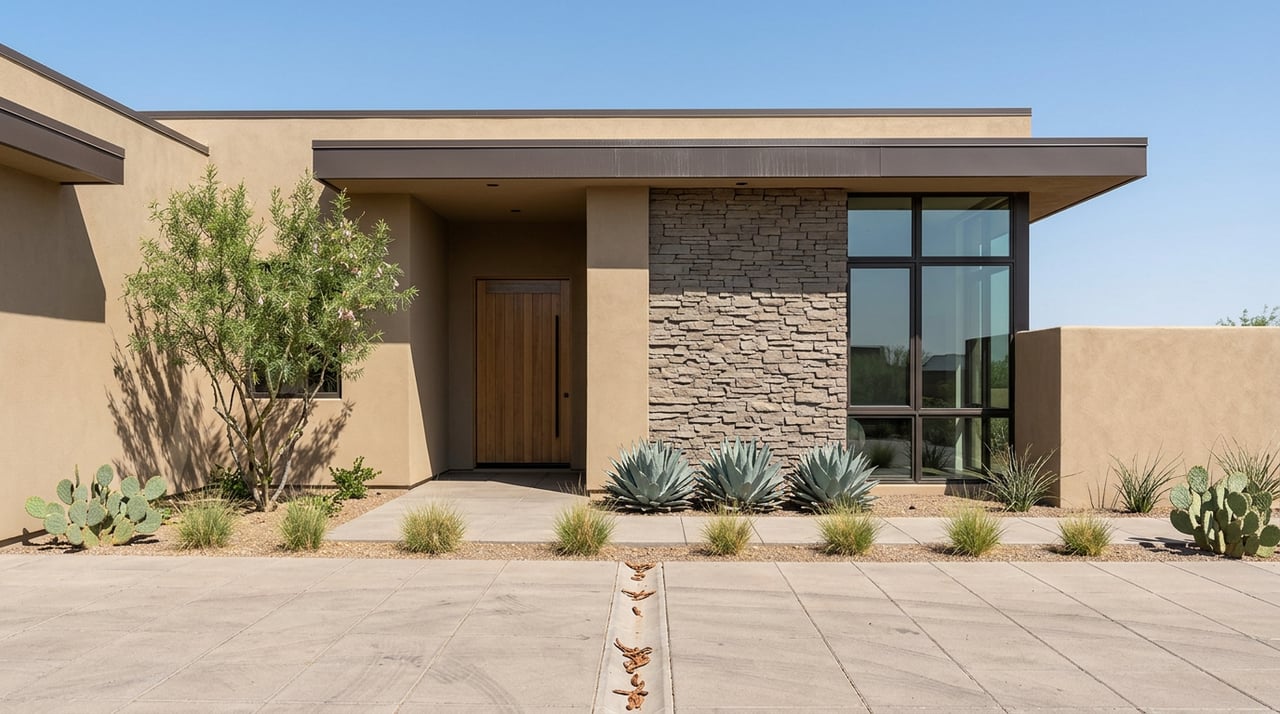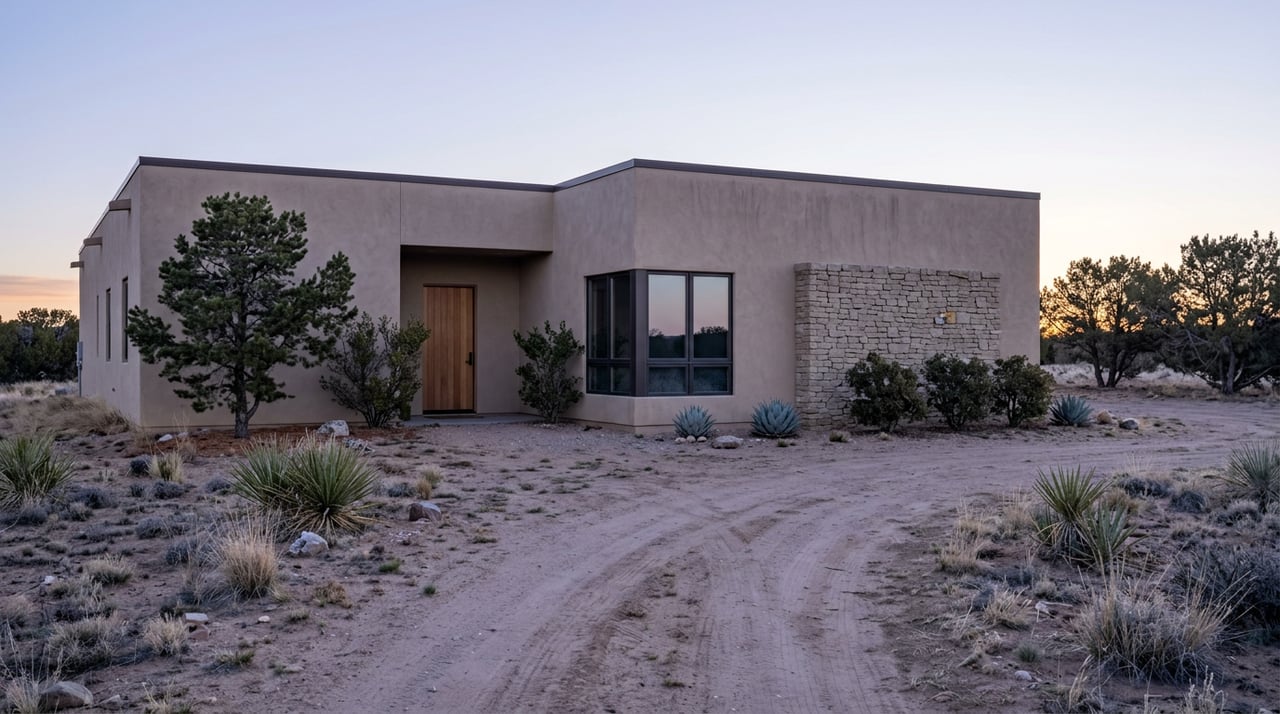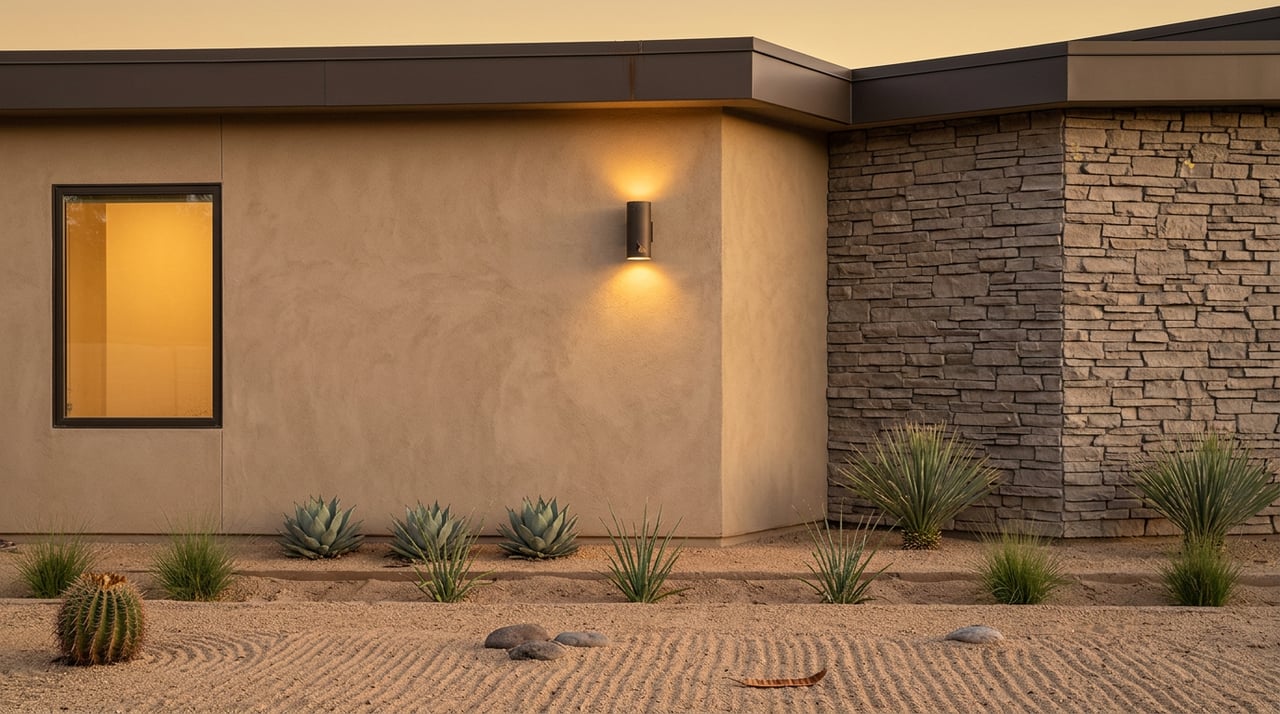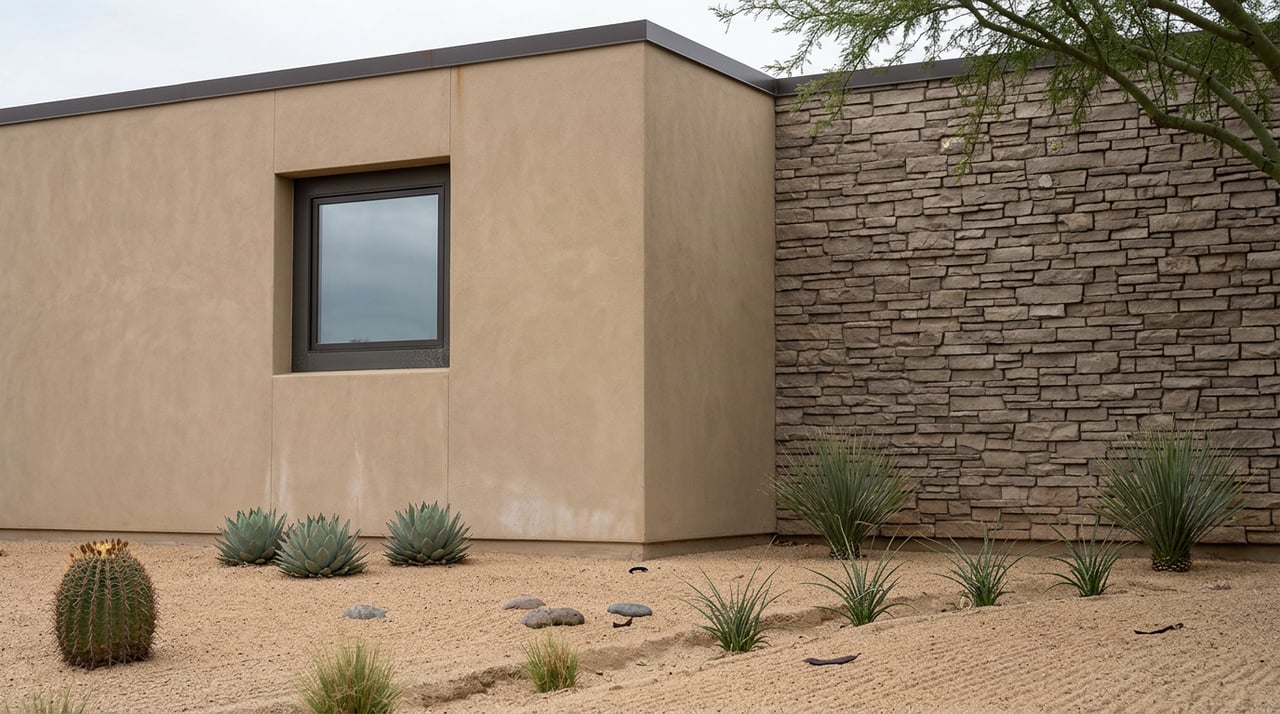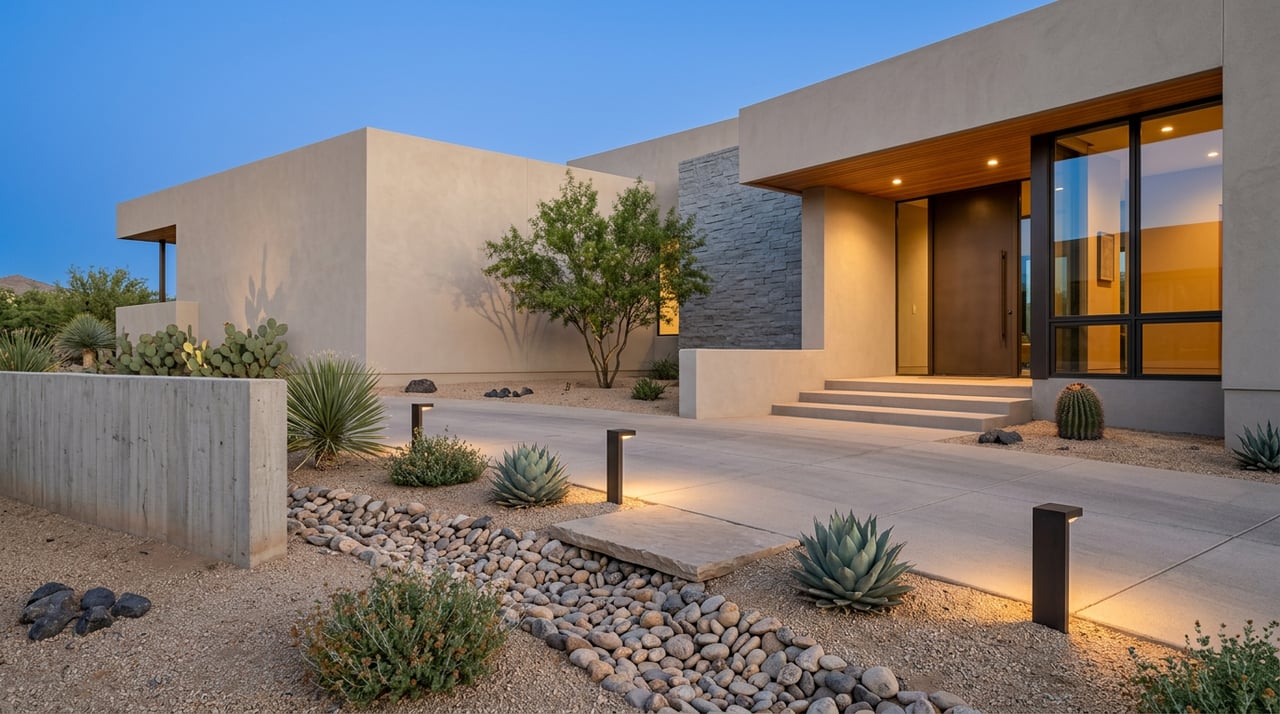
You do not just buy a house in Placitas. You buy a landscape that greets you at sunrise, shapes your afternoon light, and guides where you put your driveway and patio. If you love big skies and Sandia drama but want everyday ease, understanding how views and terrain work here will help you choose the right property. In this guide, you will learn how elevation, slopes, arroyos, and orientation affect comfort, access, utilities, and long-term care, plus a practical checklist you can use on any showing. Let’s dive in.
Placitas landscape at a glance
Placitas sits on foothills and mesas on the northern side of the Sandias at roughly 5,600 to 6,200 feet. Lots range from gentle terraces to steeper ridgelines with arroyos between them. These landforms create panoramic views and also influence how water moves, where you can build, and how you access a site.
Arroyos are a defining feature. They act as open-space corridors and as drainage channels during heavy storms. That dual role explains why an arroyo on or near a lot can be both an amenity and a hazard. Local planning treats them as part of flood infrastructure, so it is smart to learn how the county manages these areas through Sandoval County resources. For a sense of the region’s mesas, ridges, and soils, the local overview from Placitas.com is also helpful context.
Views, orientation, and daily light
Vistas and sun patterns
Many buyers prize “Sandia views” and west-facing sunsets. From many vantage points in Placitas, the Sandia crest is roughly to the south or southeast, and the Jemez mesas and Cabezón sit to the northwest or west. Plan a site visit at both sunrise and sunset to see how glare, shade, and view corridors shift through the day. These orientation cues are consistent with regional geography described in local references to the Sandias and surrounding ranges.
Passive solar or picture window
Orientation affects comfort and energy. True south exposure within about 30 degrees favors winter passive-solar gain and balanced daylighting, while an east or west emphasis can capture a sunrise or sunset view but add seasonal glare and heat. The Department of Energy’s passive-solar siting guidance is a good framework when you weigh view placement against south-facing performance. If both matter, consider a plan that steps or turns to protect south windows and still frame your favorite vista.
Outdoor living by microclimate
Higher-elevation foothill lots see cooler nights and wider day-to-night swings than valley locations. Summer monsoon storms, most common in July and August, can be intense. These patterns influence where you place patios, pergolas, and wind screens. Expect very pleasant evenings at elevation, but plan for shade and wind control based on typical conditions documented in regional climate data.
Terrain and building basics
Soils, slopes, and foundations
Many local soils are shallow and gravelly with carbonate-rich layers (caliche). On steeper slopes that can mean more complex excavation, variable percolation for septic systems, and the need for engineered foundations or retaining walls. Before you plan a build or a remodel that touches the site, expect site-specific geotechnical and percolation testing. You can preview likely soil behavior in the USDA’s Placitas soil-series profile.
Driveways, access, and maintenance
Ridge and canyon lots can require long or steep driveways with designed grades, retaining, and a safe turnaround for emergency vehicles. Winter plowing and periodic grading are real considerations. Whether a road is county maintained or private/HOA maintained will affect access and long-term costs, so confirm road status and maintenance responsibility with Sandoval County and any HOA before you buy.
Water, septic, and utilities
Wells and water quality
Many Placitas homes rely on private wells. New Mexico’s domestic-well rules set volume limits and allow Domestic Well Management Areas with stricter caps. You should request well logs showing depth and yield and recent lab tests for bacteria, nitrate, and total dissolved solids. For policy context, review the state’s documentation on domestic well rules and management.
Septic system fit
On-site septic is common and is permitted through the New Mexico Environment Department’s Liquid Waste program. Shallow rock or caliche can limit conventional drainfields, in which case an alternative or mound system may be required. Ask for prior permits, site evaluations, and any approvals. You can reference the state’s septic program and approved products to understand options.
Power, gas, and internet
Electric service is established in the region, but exact distances and connection costs are parcel specific. Natural gas is available in some subdivisions but not all. Internet options vary by address, from cable to fixed wireless and satellite in more remote spots. Always verify availability and speeds for the exact property using provider checks or tools like the broadband availability maps for Placitas.
Arroyos, drainage, and safety
Amenity and risk in one feature
Arroyos are natural drainage channels that often cross or border properties. During heavy monsoon events they can carry sudden flows and debris. Historic Sandoval County storms have produced localized damage, which is documented in National Weather Service flood reports. If a listing mentions an arroyo, confirm whether the building site is in a mapped floodplain and ask the seller for any history of flood or debris events. County stormwater and open-space planning through Sandoval County will also inform how those corridors are managed.
Simple storm-smart habits
You can live near an arroyo and enjoy the open space by pairing good siting with basic care. Keep any culverts or swales on your lot clear of debris. Watch how water moves during summer storms, then fine-tune small berms or rock features to slow and spread flow on your property where appropriate. Maintain a reasonable setback for outdoor living spaces from active channels, and consult qualified pros before modifying drainage.
Wildfire readiness in piñon–juniper country
Placitas sits in a semi-arid landscape with piñon-juniper and grass cover, so wildland-urban interface risks are part of life here. The best defense is preparation. Create defensible space, harden vulnerable home features, and learn about neighborhood or county programs that support mitigation. For statewide guidance and community resources, start with the Fire Adapted New Mexico network’s wildfire-preparedness materials.
Common trade-offs and how to decide
- Privacy vs access. Ridge-top lots deliver wide panoramas and seclusion but often need longer driveways and more site work. That can add cost for grading, septic, or well installation due to shallow or rocky soils.
- West view vs solar comfort. A sunset-facing great room gives drama but can bring glare and seasonal heat. Orienting glazing to the south supports passive-solar strategies per DOE guidance. Many buyers solve this with a stepped or L-shaped plan.
- Acreage vs usable area. Scenic parcels can include steep rock outcrops, arroyo corridors, or caliche bands that are not practical to build on. A survey with topographic detail will reveal the true buildable envelope.
Buyer checklist for showings and due diligence
Use this quick list to compare properties and avoid surprises.
- Road status and care. Confirm if the access road is county maintained or private/HOA maintained with Sandoval County. Ask about plowing, grading schedules, and any fees.
- Site survey and topo. Order a survey with contours to understand driveway slope, building envelope, and how the home will sit for views and sun.
- Well details. Request well logs, recent water tests, and any pump test data. Check whether the area has special limits under New Mexico’s domestic well rules.
- Septic records. Ask for NMED permits, site evaluations, and approvals. If soils are shallow or caliche is present, plan for an approved alternative system.
- Flood and arroyo mapping. Review FEMA and county stormwater layers, then ask the seller about any past flood or debris events. See regional flood history in NWS reports.
- Utilities and connectivity. Verify electric, gas, and broadband at the exact address with providers or the broadband availability map.
- Wildfire readiness. Ask about neighborhood mitigation programs, nearest fire response, and defensible-space conditions. Use Fire Adapted NM resources as a planning guide.
The bottom line
Placitas rewards you with light, air, and horizon. The same hills and arroyos that make it beautiful also shape how you design, maintain, and access a home. When you balance view orientation with passive-solar comfort, map arroyos with respect, and verify wells, septic, and roads up front, daily life runs smoothly.
If you are weighing two lots or want a second set of eyes on a complex site, reach out. With 20-plus years of local experience, Desiree Barton and our boutique team will help you match the right property to the life you want in Placitas.
FAQs
How do arroyos affect a Placitas home purchase?
- Treat arroyos as both open space and drainage. Confirm if the site is in a mapped flood zone, ask for any flood or debris history, and review regional storm data in NWS reports.
What home orientation balances views and comfort in Placitas?
- South-facing glazing within about 30 degrees supports passive solar per DOE guidance; consider a layout that frames your preferred view while preserving south exposure.
What should I check about wells and water quality?
- Ask for well logs with depth and yield plus recent lab tests for bacteria, nitrate, and TDS; review context on New Mexico’s domestic well rules.
Are septic systems straightforward in Placitas soils?
- Many sites work with conventional systems, but shallow rock or caliche can require alternatives; verify NMED permits and reference approved system options.
Who maintains Placitas roads and driveways?
- Some roads are county maintained while others are private or HOA maintained; confirm status and winter access expectations with Sandoval County and the HOA.
Is high-speed internet available across Placitas?
- Coverage varies by address; check providers and the broadband availability map to confirm service types and speeds for the exact property.