Torn between the energy of Albuquerque and the ease of Rio Rancho? You are not alone. Many buyers weigh yard size against commute time, nightlife against neighborhood parks, and older charm against newer construction. In this guide, you will get a clear, side-by-side look at daily life in both cities so you can choose the home base that fits your routines, budget, and goals. Let’s dive in.
Quick snapshot: ABQ vs. Rio Rancho
Albuquerque is the metro’s anchor city in Bernalillo County, while Rio Rancho sits to the northwest in Sandoval County. The two are connected by major roads and the Rio Grande corridor, so daily life often overlaps across city lines.
According to the 2020 Census, Albuquerque’s population is about 564,559. Rio Rancho’s is about 99,178. Both have grown since then, with Rio Rancho expanding faster in percentage terms during the 2010s and early 2020s.
Albuquerque has an older urban core with historic neighborhoods like Old Town and Nob Hill, a higher mix of housing types, and denser cultural and commercial hubs. Rio Rancho is largely newer, with master-planned subdivisions, larger lots, and a suburban layout focused on community amenities.
Housing and neighborhoods
Home types and lot sizes
If you want variety, you will find it in Albuquerque. The city offers historic adobe and bungalow homes, mid-century ranch styles in the Northeast Heights, and newer townhomes and apartments near the University and downtown. Lot sizes range widely, from larger North Valley properties with an agricultural feel to compact urban lots near central corridors.
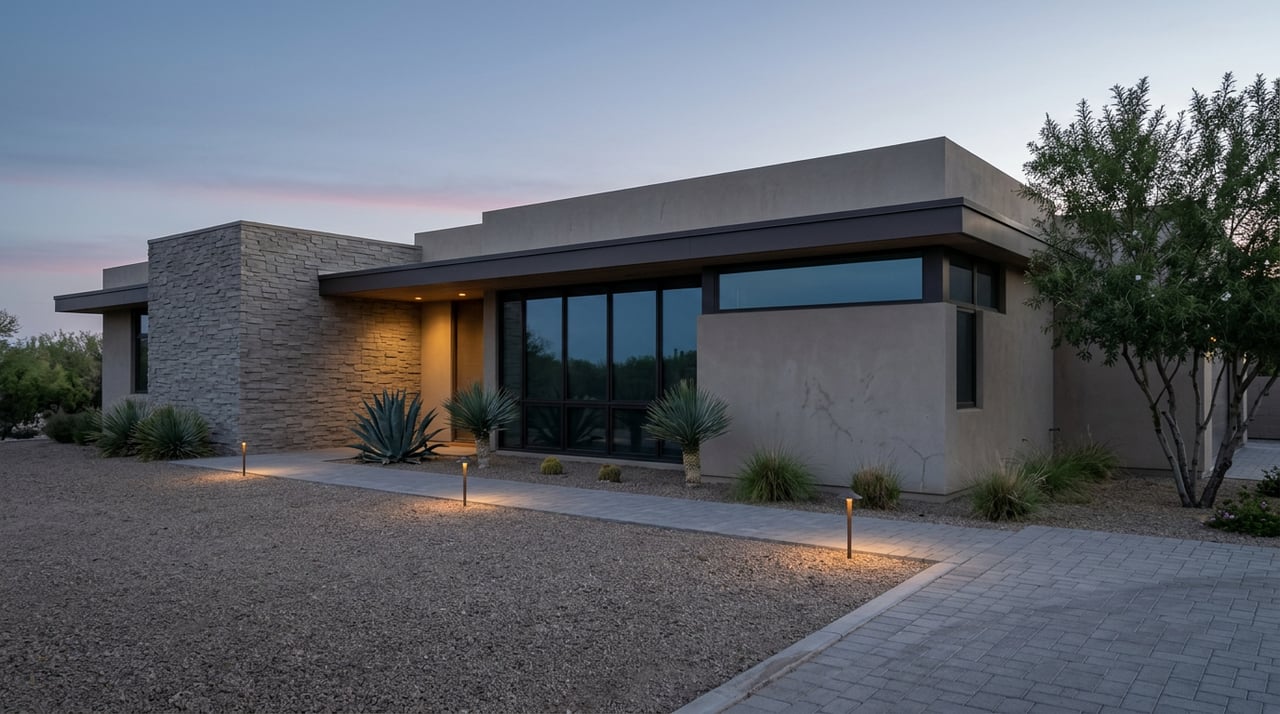
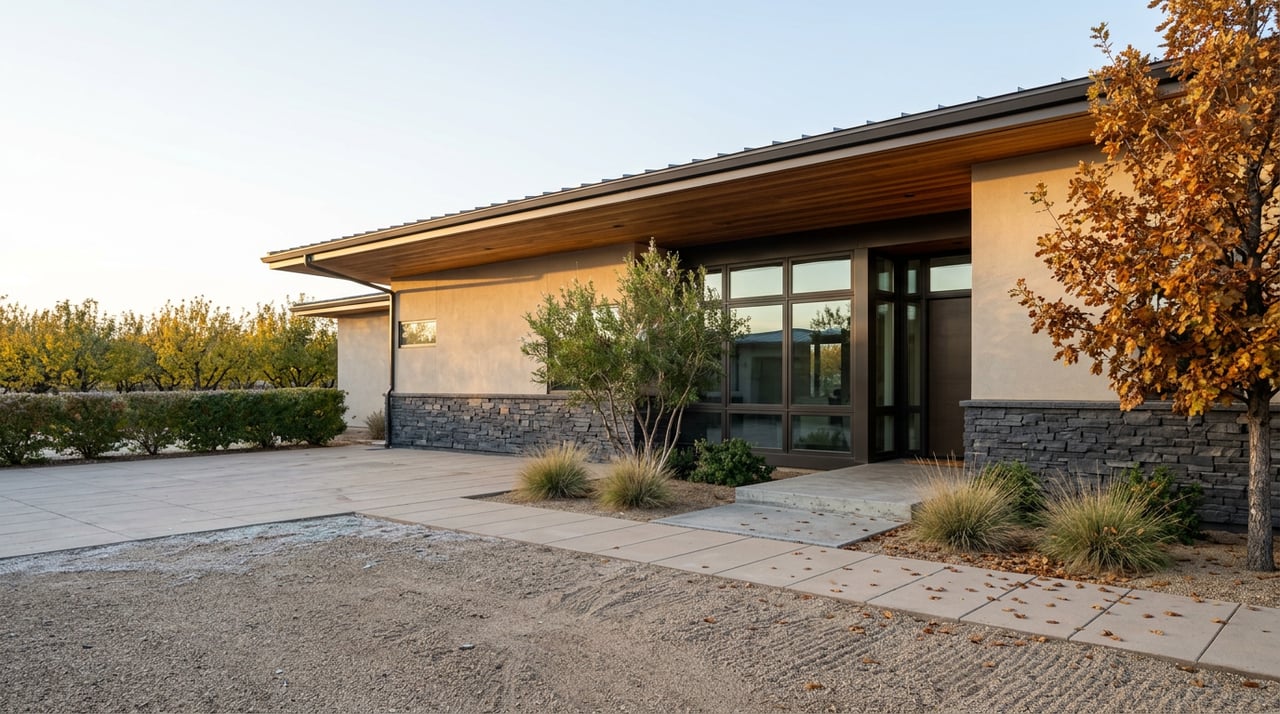
Rio Rancho leans newer and more uniform. Most neighborhoods are single-family subdivisions, often with larger yards and garages. New master-planned areas typically include parks and community features that appeal to households who want space and neighborhood amenities.
Age and maintenance
In Albuquerque, older homes are common, especially in pre-1970 districts. You may encounter more renovation or retrofit needs, along with the charm and character that come with established neighborhoods. Rio Rancho’s housing stock skews newer, with heavy construction from the 1990s through the 2020s. Newer builds may align with contemporary building and energy standards, which can simplify maintenance and efficiency.
Price and affordability
Prices vary by neighborhood and timing. Historically, Rio Rancho often trades at similar or modestly higher median prices citywide due to newer homes and larger lots in many subdivisions. Albuquerque provides more price diversity, including renovation opportunities and lower entry points through condos and townhomes. For exact, current medians and inventory, rely on up-to-date local market reports because price gaps can shift quickly.
HOAs and community rules
Rio Rancho has a higher prevalence of homeowners associations in planned communities. Expect rules on exterior maintenance and landscaping, along with monthly or annual dues. Many older Albuquerque neighborhoods do not have HOAs, although newer infill subdivisions sometimes do. Build HOA fees and rules into your monthly budget and lifestyle preferences.
Commute and daily logistics
Where you work matters
Your workplace location is the key variable. Many Rio Rancho residents commute southeast into Albuquerque for jobs downtown or at the University and medical centers. Living closer to central Albuquerque can shorten that daily drive if your job is in the core. Across the metro, median commute times often land in the 20 to 30 minute range, but peak-hour conditions and your exact route make all the difference.
Roads, chokepoints, and patterns
Major connectors include Paseo del Norte, Unser Boulevard, and NM-528/US-550 toward the northern reaches of the metro. I-25 is the main north-south spine through Albuquerque, with the heaviest congestion near central corridors during rush hours. If you will drive from Rio Rancho to downtown Albuquerque most days, plan for longer peak-hour travel than many in-city commutes.
Transit, walking, and biking
Albuquerque’s ABQ RIDE network covers core city routes, and the Rail Runner links Albuquerque to Santa Fe with stations in the city and Bernalillo. Rio Rancho does not have a Rail Runner station and has more limited fixed-route service, though park-and-ride and commuter options exist. Walkability and bikeability are higher in Albuquerque districts like Nob Hill, the University area, and downtown. Rio Rancho’s suburban layout generally makes a car more essential day to day.
Airport access
Albuquerque International Sunport sits in southeast Albuquerque. If you travel often, living closer to the core can reduce airport drive time. From Rio Rancho, plan extra time for peak-hour traffic and the cross-metro route.
Schools and essential services
School districts and options
Albuquerque is primarily served by Albuquerque Public Schools, a large district with magnet, career-technical, and charter options, plus private schools. Rio Rancho is served by Rio Rancho Public Schools, which includes newer facilities in many areas. School quality varies campus by campus in both cities, so verify assigned schools for a specific address and review current report cards before you buy.
Healthcare and hospitals
Albuquerque houses the region’s major hospitals and specialty centers, including UNM Hospital, Presbyterian, and Lovelace. Rio Rancho has local hospitals and urgent care options, but many residents travel to Albuquerque for specialty or trauma care. If access to certain providers is crucial to your family, map the drive time during busy hours.
Taxes, fees, and true monthly costs
New Mexico has state income tax and local gross receipts taxes that vary by municipality. Property tax mill levies differ between Bernalillo and Sandoval counties and by taxing district, so similar-priced homes can carry different tax bills across the two cities. In Rio Rancho, factor in common HOA dues and any special utility district fees found in some subdivisions. To estimate taxes accurately, check the county assessor for the exact property and district.
Lifestyle and amenities
Culture, dining, and events
Albuquerque concentrates the metro’s museums, performing arts venues, and historic destinations like Old Town. Dining and nightlife are most active in Nob Hill and downtown, and the International Balloon Fiesta is a major annual draw. Rio Rancho’s amenity set leans neighborhood oriented, with growing retail, community parks, and recreation centers. Dining and entertainment options continue to expand with population growth, though the vibe remains more suburban.
Parks, trails, and the outdoors
Both cities offer easy outdoor access. In Albuquerque, you will find the Sandia foothills, Tramway corridors, and the Paseo del Bosque trail along the Rio Grande, plus extensive city open space. In Rio Rancho, you will enjoy suburban parks, trail systems, and proximity to the bosque and northern recreation areas, with newer trail connections in master-planned communities.
Which buyer profile fits where?
Profile A: Family seeking a yard and newer schools
- You may lean toward Rio Rancho for larger lots, newer subdivisions, and community parks. Balance that with potential HOA fees and a longer commute if you work in central Albuquerque.
Profile B: Professional prioritizing a short commute and walkable culture
- You may lean toward Albuquerque neighborhoods near downtown, Nob Hill, or the University for shorter commutes, transit options, and active dining and arts scenes.
Profile C: Buyer on a tight budget or renovation minded
- Albuquerque often provides a wider range of price points and older homes with value-add potential. Rio Rancho will have move-in ready new builds, but fewer deep-renovation opportunities.
Profile D: New construction, efficiency, and planned amenities
- Rio Rancho and certain newer Albuquerque subdivisions offer modern codes, energy-efficient features, and community amenities that fit low-maintenance living.
Your decision checklist
Use this list to compare addresses side by side:
- Confirm assigned school boundaries for the exact address and review current school report cards.
- Time your commute during peak hours from the driveway to your workplace.
- Review HOA rules, dues, landscaping standards, and parking guidelines where applicable.
- Check recent crime mapping and neighborhood safety trends for the specific streets you are considering.
- Compare recent comparable sales and days on market to set realistic expectations.
- Verify property tax mill levies with the county assessor and note any special assessments.
- Understand utility service details, including water, sewer, trash, and any irrigation or acequia responsibilities for older properties.
- Map access to healthcare providers, grocery stores, childcare, and after-school activities you will use weekly.
How we help you choose with confidence
Choosing between Albuquerque and Rio Rancho is about matching your daily life to the right block, not just picking a city on a map. We help you test-drive each option with neighborhood previews, commute checks, HOA reviews, and side-by-side comparisons of real comps and projected monthly costs. With more than 20 years of experience across the Albuquerque–Rio Rancho corridor, we guide you through purchase, leasing, or property management to fit your long-term plan.
When you are ready to explore, we will tailor the search to your lifestyle, budget, and timing. If you need to sell first, we will price and market thoughtfully to maximize your results. If you are an investor or planning a move later, we can manage your property and keep you informed on market shifts.
Ready to find your home base? Reach out to Desiree Barton to start a focused, local search that fits your goals.
FAQs
How do home prices compare between Albuquerque and Rio Rancho?
- It depends on the neighborhood and timing. Albuquerque offers broader price variety, while Rio Rancho often shows similar or modestly higher medians in some cycles due to newer homes and larger lots.
Are schools stronger in Albuquerque or Rio Rancho?
- School quality varies by campus in both cities. Albuquerque Public Schools is a large district with many options, and Rio Rancho Public Schools includes newer facilities. Verify assigned schools and current report cards for each address.
What is the typical commute from Rio Rancho to downtown Albuquerque?
- Many commuters travel southeast during peak hours and can experience longer drive times than in-city commutes. Across the metro, median commutes often fall in the 20–30 minute range, but your route and time of day are key.
Is Albuquerque more walkable than Rio Rancho?
- Certain Albuquerque neighborhoods like Nob Hill, the University area, and downtown are more walkable and transit friendly. Rio Rancho’s suburban pattern generally makes a car more necessary.
Will I pay more in HOA fees in Rio Rancho?
- HOAs are more common in Rio Rancho’s master-planned subdivisions, so you are more likely to see dues and neighborhood rules. Many older Albuquerque areas do not have HOAs.
How do property taxes and monthly costs differ between the two?
- Property tax mill rates vary by county and district, and HOA or utility district fees can change the monthly picture. Check the county assessor and neighborhood-specific costs for each property you compare.